Coverage: May 6th, 2026 - May 12th, 2026
Stocks entered the week with momentum. The S&P 500 and Nasdaq climbed to record highs Monday as chip strength helped offset higher oil prices and U.S.-Iran worries, with Nvidia, Micron, and Qualcomm doing much of the heavy lifting. That gave the market a familiar 2026 flavor: macro clouds overhead, AI still wearing sunglasses.
Then Tuesday brought a reminder that inflation still gets a vote. After the hotter April CPI release, the S&P 500 and Nasdaq opened lower as investors reassessed the odds of easier Fed policy.
CPI: The Energy Bill Arrived
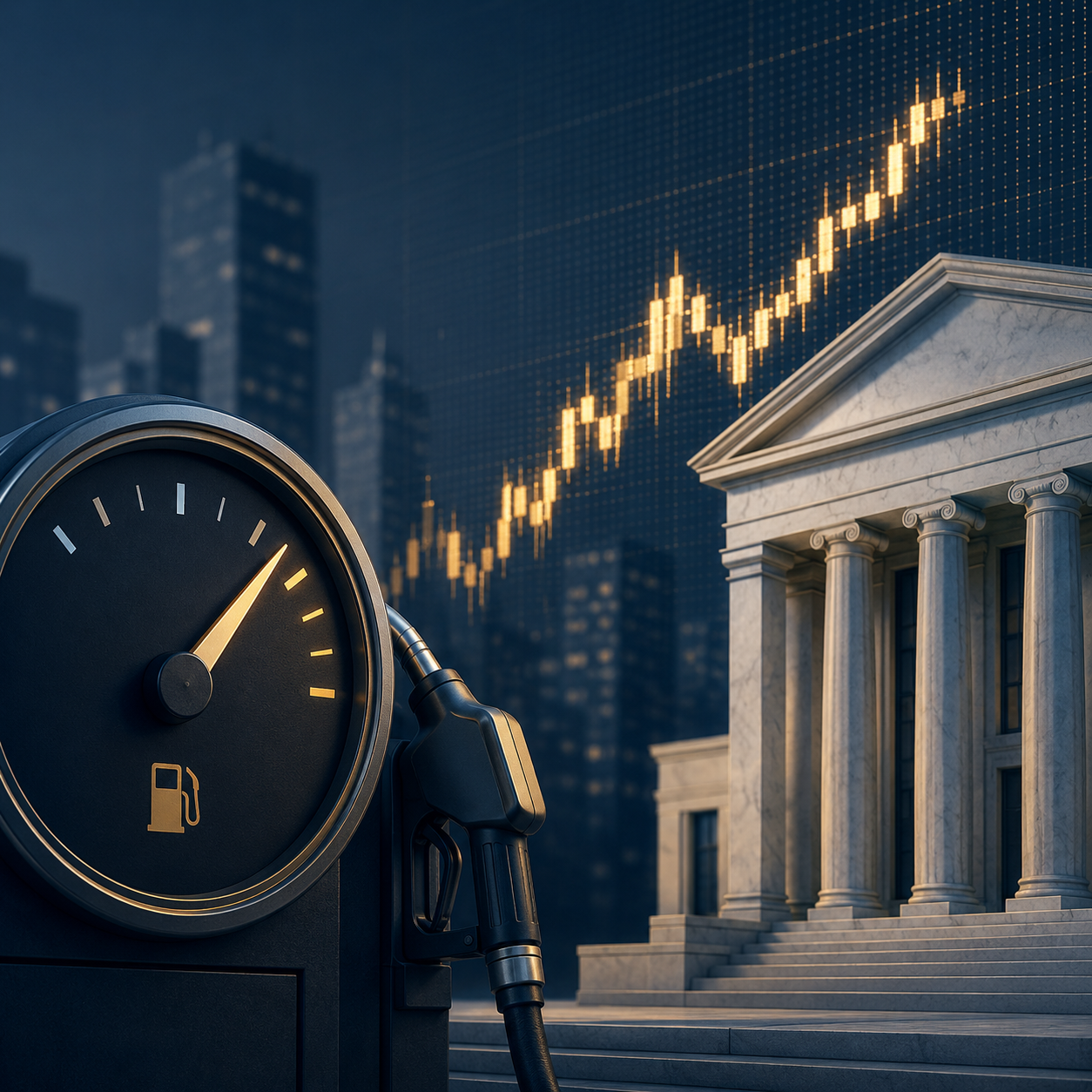
The April CPI report showed headline inflation rising 0.6% for the month and 3.8% from a year earlier, up from 3.3% in March. Core CPI rose 0.4% on the month and 2.8% year over year, while energy rose 3.8% in April and 17.9% over the past 12 months. Gasoline was the standout pressure point, rising 5.4% for the month and 28.4% over the year.
The Fed’s Room Got Smaller
The Fed’s last policy statement already had the contours of this problem. The Committee held the federal funds target range at 3.50% to 3.75%, flagged elevated inflation, and pointed directly to Middle East developments as a source of uncertainty. Four officials dissented in different directions: one wanted a quarter-point cut, while three supported the hold but resisted the easing bias.
April CPI makes that split more interesting. The labor market still gives the Fed room to wait, while energy keeps headline inflation uncomfortable.
Jobs: Slower, Still Standing
The labor market gave the week its most useful counterweight. The April employment report showed payrolls rising by 115,000 and the unemployment rate holding at 4.3%. Gains came from health care, transportation and warehousing, and retail trade, while federal government employment continued to decline.
The details were steady rather than booming. Average hourly earnings rose 0.2% for the month and 3.6% from a year earlier, while February and March combined payrolls were revised down by 16,000. That is enough labor resilience to lower recession anxiety, but hardly the kind of report that makes inflation concerns disappear.
Consumers: Still Shopping, Hating the Receipt
The consumer mood remains the weak link in an economy that keeps refusing to break cleanly. The University of Michigan’s preliminary May survey showed sentiment at 48.2, down from 49.8 in April and near the June 2022 trough. Current conditions fell more sharply than expectations, with high prices weighing on personal finances and big-ticket buying decisions.
There was one small relief valve: year-ahead inflation expectations eased to 4.5% from 4.7%, while long-run expectations slipped to 3.4% from 3.5%. Still, those readings remain elevated enough to keep Fed officials watching consumers almost as closely as gas stations.
Oil Keeps Running the Meeting
The market’s inflation problem still runs through the Strait of Hormuz. Oil prices jumped as the U.S.-Iran peace process stalled, with Iran emphasizing its sovereignty over the Strait, where about one-fifth of global oil and LNG normally moves. Disruptions tied to the near-closure have already forced export curtailments, and OPEC output in April fell to its lowest level in more than two decades.
Thunder Rolls, Bracket Wobbles
The NBA playoffs have entered the “every possession becomes a referendum” stage, and Oklahoma City looks least interested in drama. The defending champion Thunder finished a four-game sweep of the Lakers, winning 115–110 behind 35 points from Shai Gilgeous-Alexander and improving to 8–0 this postseason.
Elsewhere, the bracket has already produced its share of whiplash. The Knicks advanced after sweeping Philadelphia, while Minnesota’s earlier elimination of Denver added another reminder that seeding, stars, and résumé equity can all expire quickly in May.

.png?width=48&height=48&name=KVP-background1%20(2).png)